
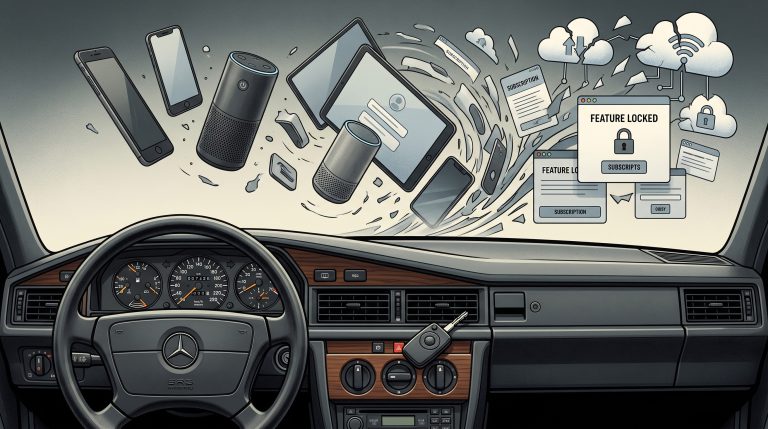
From dark patterns and repair lockouts to cloud-dependent hardware, here's why buying things now feels less like ownership and more like ongoing surrender...
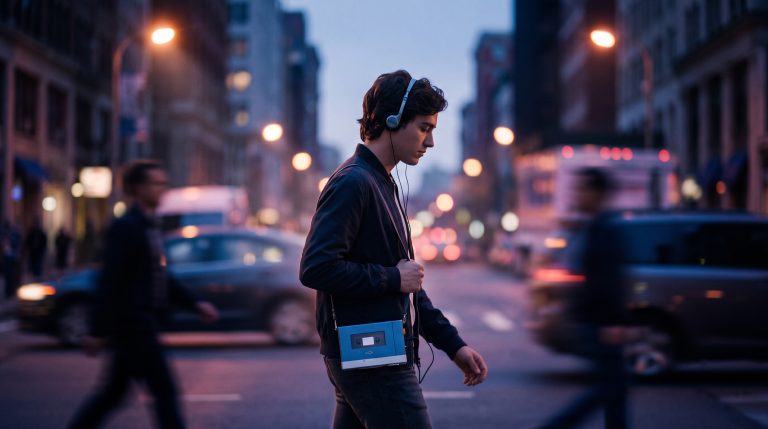
The Sony Walkman did more than make music portable. It taught people to curate reality, turning sound into a private layer over public life...
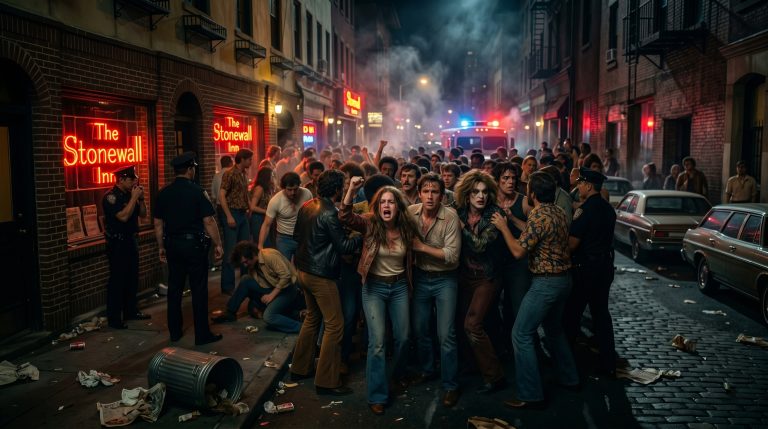
The Stonewall Inn was not a pristine birthplace of liberation. It was a cramped, Mafia-run bar with dirty glasses, blacked-out windows, bribed cops, and a clientele...
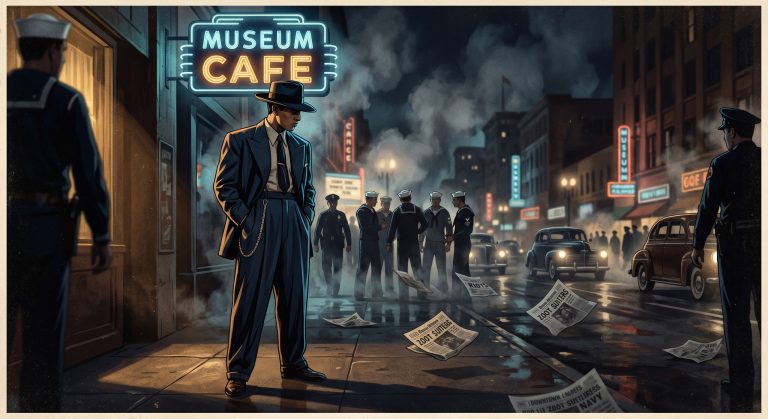
A first-draft look at how the 1943 Zoot Suit Riots turned fashion into a political target in wartime Los Angeles...
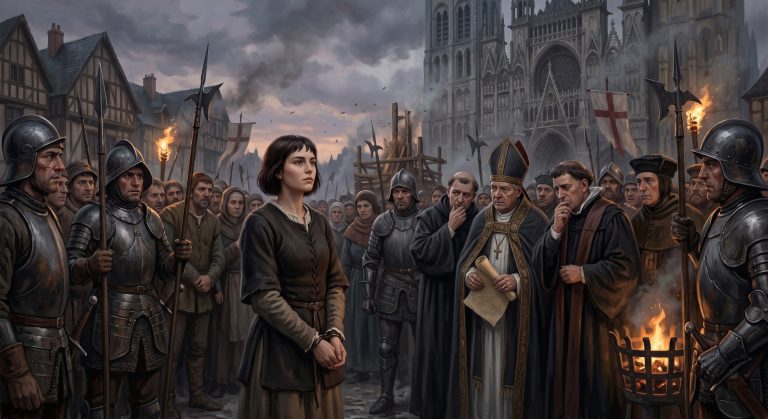
Joan of Arc’s execution was meant to destroy her credibility, poison her meaning, and erase her political power. Instead, it helped create one of the most durable legends...
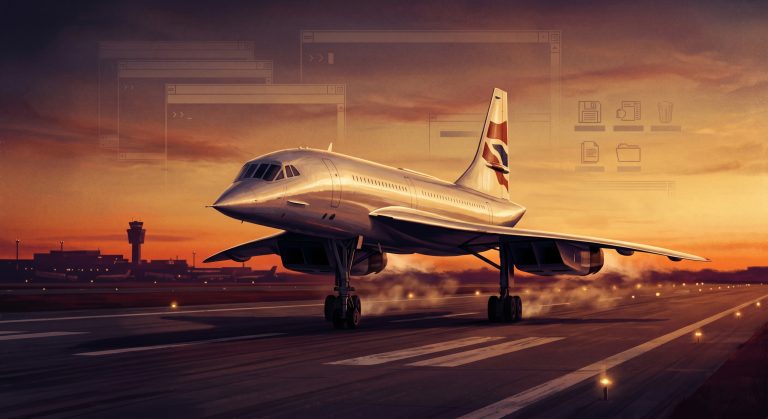
Concorde didn’t just retire—it was discontinued, and 23 years later commercial aviation still hasn’t replaced the one thing it sold better than anyone else: time. Here’s...
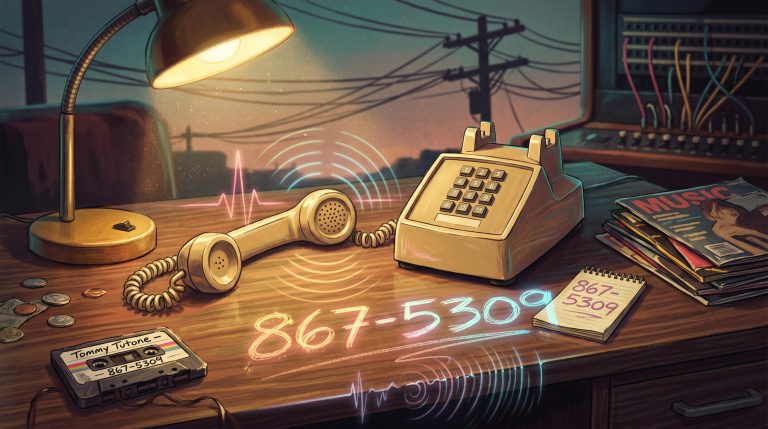
Tommy Tutone’s “867-5309/Jenny” looked like disposable pop, but it ended up colliding with the real telephone network. The result was prank-call chaos, cultural...
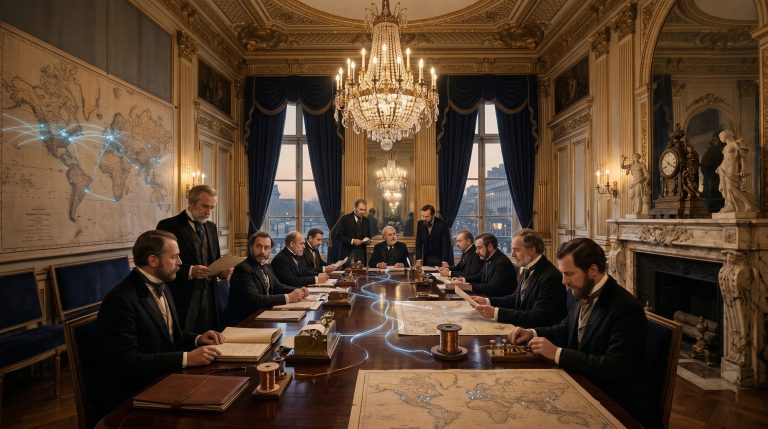
Founded in Paris in 1865, the International Telegraph Union was one of the first serious attempts to build rules for a global communications network — long before the...
In May 1992, “Bohemian Rhapsody” was back in the Billboard top five. Here’s why Queen’s strangest hit proved built for cultural recurrence, not just nostalgia...